Wound care monitoring is a crucial aspect of medical care that needs expertise, ability, and empathy. For those simply entering this field, comprehending the basics can appear overwhelming. Nonetheless, with the appropriate assistance and training, anyone can come to be proficient in efficient wound care techniques. In this overview, we will certainly delve deep right into numerous facets of wound care management, consisting of specialized training and ideal techniques for handling complicated and chronic wounds.
Wound Treatment Monitoring Fundamentals: A Newbie's Overview to Effective Practices
The journey right into wound care management begins with an understanding of what comprises appropriate injury treatment. Whether you're a nurse looking for innovative skills via wound treatment training courses or someone curious about basic basic wound treatment training, developing a fundamental knowledge is essential.

What is Wound Care?
Wound treatment refers to the methods and practices used to deal with injuries to the skin and underlying tissues. These injuries might consist of cuts, abrasions, surgical lacerations, and more complicated problems like ulcers or burns.
Types of Wounds
Acute Wounds: These are injuries that occur suddenly because of trauma. Chronic Wounds: These do not recover correctly and can persist over time. Surgical Wounds: Resulting from medical procedures. Pressure Ulcers: Commonly found in stable clients because of long term pressure on the skin.Understanding these kinds aids in determining the suitable treatment approach.
The Importance of Effective Injury Care Management
Effective wound care management is important for numerous reasons:
- Preventing Infection: Appropriate methods help reduce the threat of infection. Promoting Healing: Ideal treatments encourage quicker healing times. Improving Top quality of Life: Well-managed injuries lead to less pain and discomfort for patients.
Key Concepts of Wound Treatment Management
Assessment
Before any treatment can start, a comprehensive analysis is needed. This consists of evaluating the type, size, deepness, and problem of the wound.
Cleansing
Cleaning the wound with saline or other authorized options removes particles and bacteria.
Moisture Balance
Maintaining an optimum wetness level advertises recovery while stopping maceration (softening) of surrounding skin.
Dressing Selection
Choosing the appropriate dressing relies on various aspects such as injury kind and exudate level.
Training Opportunities in Wound Care Management
For those aiming to specialize even more in this area, various training programs are readily available:
- Wound Treatment Specialist Training Wound Treatment Training for Nurses Wound Care Registered nurse Training Basic Wound Care Training Courses
Let's discover these options!
Wound Treatment Specialist Training
This program concentrates on innovative techniques for treating intricate injuries. It prepares individuals for roles that need particular competence in taking care of complex cases often seen in healthcare facilities or specialized clinics.
Curriculum Highlights
- Advanced evaluation techniques Treatment procedures for persistent wounds Patient education and learning strategies
Wound Treatment Educating for Nurses
This course offers registered nurses with crucial skills needed in daily technique, especially when dealing with clients who have injuries as a key concern.
Key Learning Areas
- Basic wound assessment Dressing changes Infection control measures
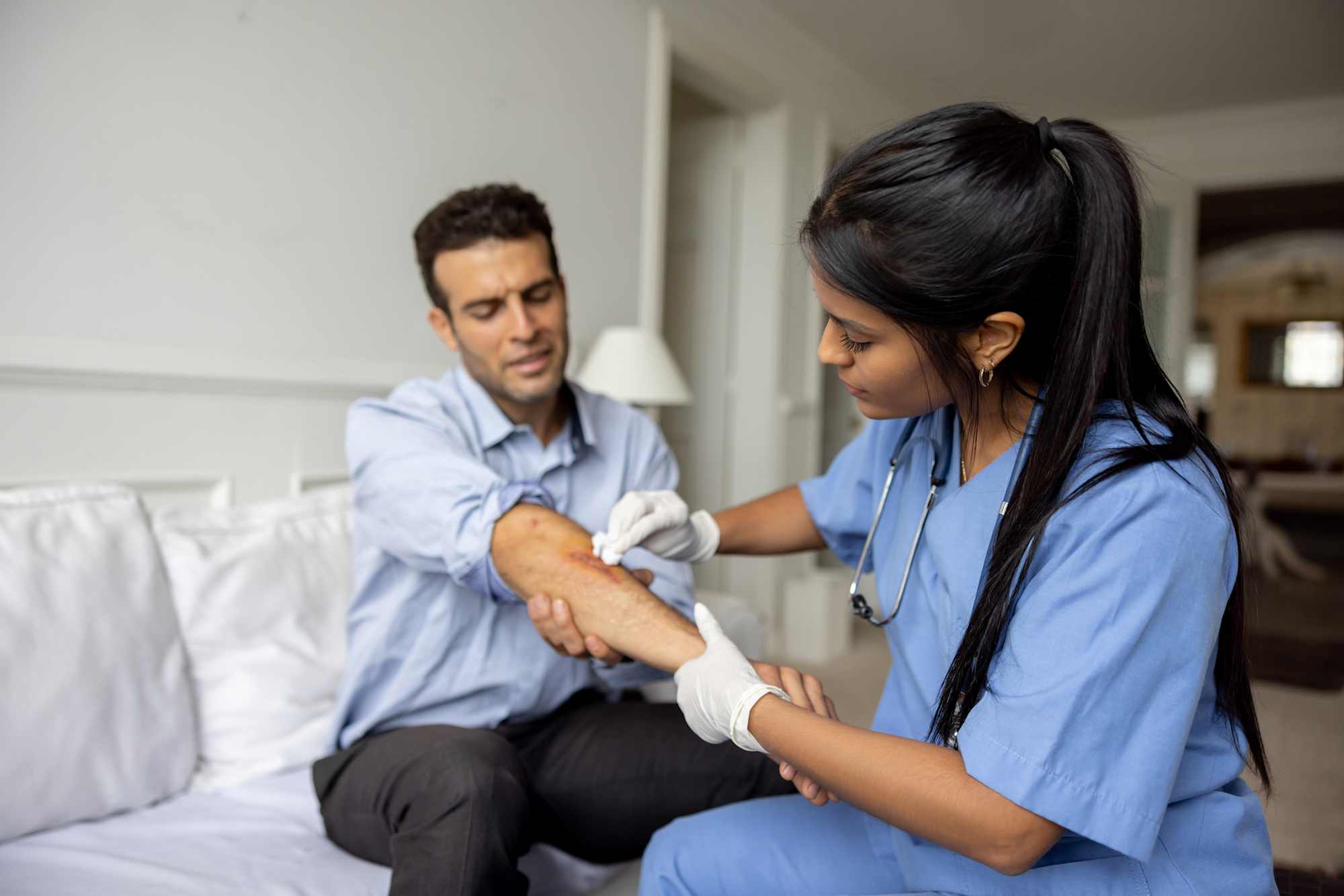
Basic Wound Care Training Courses
Ideal for novices or non-medical workers that might come across wounds in day-to-day scenarios-- this course covers basic principles without delving as well deeply right into technicalities.
Topics Covered
- Types of wounds First help basics When to seek professional help
Understanding Complex Wound Care
Complex injuries usually call for customized understanding due to their nature or underlying conditions such as diabetes or vascular disease.

What Defines Complex Wounds?
Complex wounds do not comply with typical recovery patterns and may call for extensive treatment with time. Recognizing their characteristics can guide treatment choices effectively.
Strategies for Persistent Wound Treatment Management
Managing persistent injuries entails a multi-faceted strategy that includes patient education and learning and normal tracking:
Regular check-ups Tailored treatment plans Lifestyle modificationsRole of NDIS in Wound Care
The National Impairment Insurance policy Plan (NDIS) has stipulations that relate directly to people needing continuous medical intervention due to persistent problems causing relentless wounds.
Best Practices in Nursing Injury Treatment Training
Nursing experts profit substantially from structured training programs concentrated on practical skills applicable in real-world settings:
Simulation-based learning Workshops led by skilled practitioners Access to current resources* Infection Control Measures
Infection prevention is paramount when handling any type of type of injury; therefore understanding these procedures is essential: nurses training in wound management
Hand hygiene procedures Use of individual safety devices (PPE) Sterilization techniques* Person Education And Learning Strategies
Educating people regarding their problems equips them to take control over their wellness results effectively:
Teaching appropriate dressing modification methods Discussing indications of infection Encouraging adherence to prescribed treatmentsDocumenting Progression in Wound Healing
Accurate documents is essential for tracking progression in time and promoting communication amongst medical care staff member:
Utilizing standardized types Regularly upgrading patient documents Maintaining clear interaction channelsEmerging Technologies in Injury Management
Innovations such as telehealth appointments, smart dressings, and bioengineering materials are transforming how healthcare providers approach wound monitoring today.
* Telemedicine's Influence on Wound Care
Telemedicine permits specialists to consult remotely, making it possible for much better accessibility for clients unable to visit centers physically.
* Smart Dressings: The Future of Healing
Smart dressings equipped with sensing units can keep track of wetness degrees and supply real-time data relating to the healing process.
Frequently Asked Questions (Frequently asked questions)
1. What certifications are required for an injury treatment specialist?
To end up being a certified injury treatment specialist, one commonly requires nursing credentials together with specialized training courses focusing on innovative injury administration techniques.
2. How much time does it take to complete standard wound care training?
Basic wound care training courses typically last in between one day and a number of weeks relying on whether they're part-time or full-time programs.
3. Can non-nurses participate in basic injury care training?
Yes! Several standard programs welcome individuals from different histories that desire to discover fundamental abilities relevant in the house or work environments.
4. What should I look for when selecting a course?
Consider variables such as accreditation status, instructor certifications, educational program importance, and options for hands-on experience before signing up in any type of program related to wound treatment management.
5. How usually should I alter a dressing on my injury?
Generally speaking, dressings should be changed frequently-- once every couple of days-- yet constantly follow your doctor's certain suggestions based on your specific case!
6. What role does nutrition play in efficient injury healing?
Nutrition plays a vital role; appropriate protein intake sustains cells fixing while vitamins like C & & An aid strengthen immune feature during recovery phases!
Conclusion
Embarking on the journey toward mastering efficient practices within Wound Care Monitoring Essentials equips you with indispensable abilities that not just boost client outcomes but additionally bolster your confidence as a caregiver or professional! With comprehensive training choices readily available-- from basic programs appropriate for newcomers right through specialized programs tailored especially toward complicated situations-- there's no lack of paths offered today! By spending time right into finding out these principles along with constant renovation through functional application guarantees you remain at leading edge within this dynamic field!